
Updated on: 2026-11-11
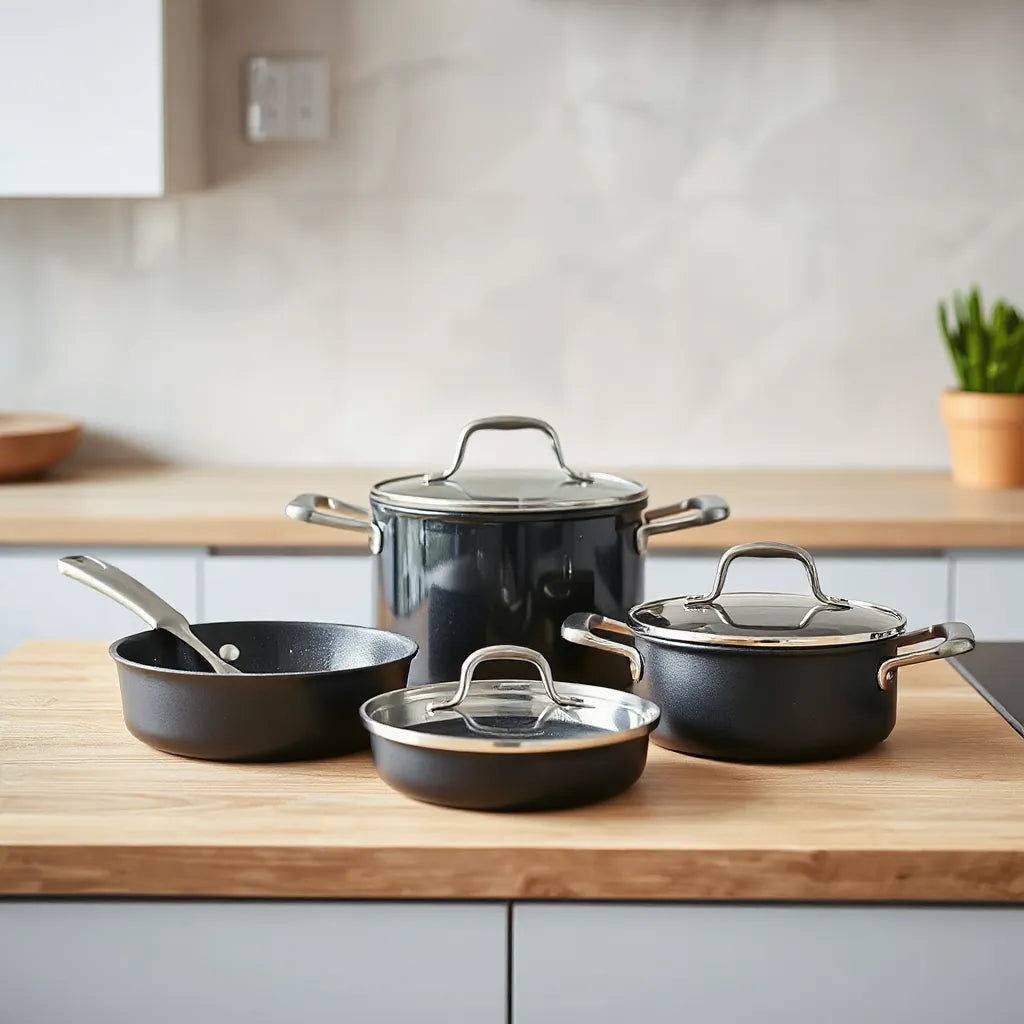
A nonstick cookware set helps home cooks cook with less oil and remove food with less effort. The main decision is choosing the right coating quality and pairing it with proper care habits. In this guide, you will learn what to look for in pans, lids, and sizes, plus how to avoid the common causes of early wear. You will also find practical maintenance steps and buying recommendations based on typical cooking styles.
1. What a nonstick cookware set really does
2. Common challenges with nonstick pans
3. How to choose the right nonstick cookware set
4. Comparison: popular nonstick coating approaches
5. Care and usage rules that extend lifespan
6. Best-fit recommendations by cooking needs
7. Summary and recommendations
What a nonstick cookware set really does
A nonstick cookware set is built around a smooth cooking surface designed to reduce sticking and make cleanup more predictable. Instead of relying on heavy greasing, many foods release with minimal residue when heat and technique are matched. This design is especially helpful for eggs, delicate fish, pancakes, and quick weeknight meals where time and effort matter.
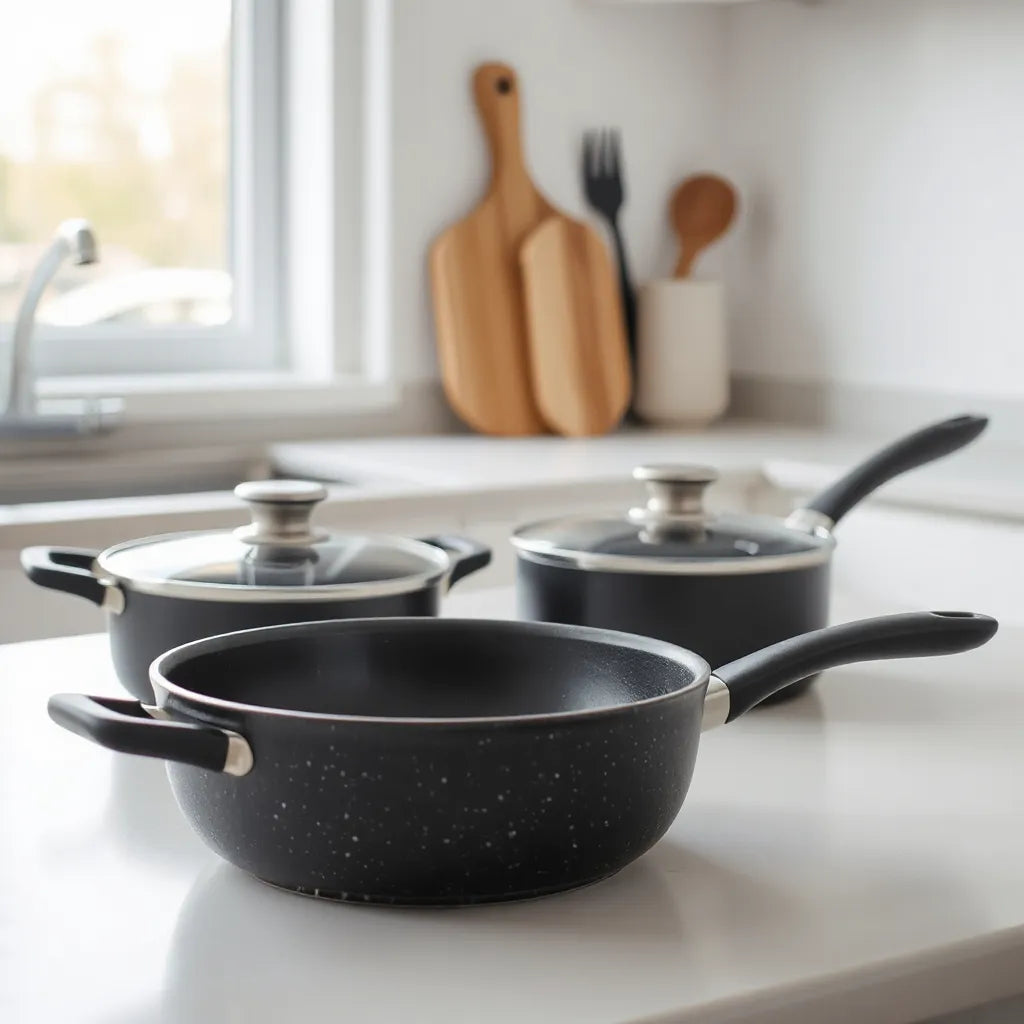
Most sets include a mix of skillet sizes and pots, often with lids that help maintain moisture and even cooking. While the exact contents vary by brand, the real value of a set comes from consistency: the same cooking feel across multiple pieces. When you select a quality set, you typically gain fewer scraping sessions, reduced food loss, and more comfortable daily cooking.

Illustration of slick surface release and gentle utensils
Common challenges with nonstick pans
Nonstick cookware is effective, but it can disappoint when expectations and usage do not align. The most frequent issues usually stem from heat management, utensil choice, and cleaning practices. Understanding these challenges helps you protect your investment.
Challenge 1: Coating deterioration from overheating
Many nonstick coatings degrade faster when heated beyond what a recipe requires. Excessive heat can cause the surface to lose its release properties, and food may stick more often even though the pan looks intact. The solution is straightforward: preheat briefly, keep burners at moderate settings, and avoid leaving an empty pan on high.
Challenge 2: Scratches from metal tools and abrasive pads
Even small scratches can create rough spots where residue clings. Metal spatulas, forks, and aggressive scrubbing pads increase damage risk. Use silicone, nylon, or wooden utensils, and select soft sponges for daily cleaning.
Challenge 3: Residue buildup from improper cleaning or oils
Some residue is caused by cooking fats, sauces, and starches that are not fully cleaned. Over time, this layer can reduce release performance. The fix is routine: cool the pan, wash thoroughly with mild soap, and remove stuck-on bits by soaking before scrubbing.
Challenge 4: Uneven heating that causes hot spots
Thin or poorly designed cookware may develop hot spots. Hot spots can burn food and stress the coating. Choosing pans with stable base construction and appropriate thickness helps reduce this risk.
How to choose the right nonstick cookware set
Choosing a nonstick cookware set is not only about the number of pieces. A balanced set supports your cooking habits and gives you reliable performance. Evaluate the details below before you buy.
1) Prioritize coating quality and stated temperature guidance
Nonstick performance depends on the coating system. Look for clear specifications on recommended use, including safe temperature ranges and care instructions. If guidance is vague, performance and lifespan become harder to predict.
2) Select sizes that match your meal patterns
A set should cover your most common tasks. If you cook for two, smaller skillets and a mid-size pot may be enough. For families, a larger skillet and stock pot support batch cooking and simmering. A thoughtful mix reduces the chance you will outgrow the set quickly.
3) Check lid quality for moisture control
Lids are more than accessories. Good-fitting lids improve heat retention and reduce splatter. Glass lids also allow monitoring without opening the pan, which helps protect temperature stability.
4) Assess pan base design and handle comfort
A stable base supports even heating. Handles should feel secure and remain cool enough for safe handling during normal cooking. Pay attention to ergonomic shape and attachment quality.
5) Consider oven compatibility if your recipes require it
Many users finish dishes in the oven. Ensure the set is designed for oven use if that fits your cooking style. If you mainly cook on the stove, strict oven compatibility may matter less.
Where to start: evaluate a known set range
If you want a direct starting point, you can review the existing assortment at Culivra. For comparison shopping, consider the nonstick cookware set product page for piece list details and specifications.

Heat zones map with steam visibility under a lid
Comparison: popular nonstick coating approaches
Not all nonstick cookware behaves the same way. Differences come from coating composition, thickness, reinforcement, and base construction. The table below summarizes the practical trade-offs you can expect.
| Coating approach | Typical benefits | Typical limitations |
|---|---|---|
| Ceramic-style nonstick surfaces | Often associated with a smooth release feel and straightforward cleaning | May require careful heating control; performance can change with wear |
| PTFE-based nonstick coatings | Common for consistent release when used within recommended heating limits | Can degrade faster if overheated or scratched by abrasive tools |
| Reinforced or multilayer coatings | Designed for improved durability and more stable performance across daily cooking | Still requires gentle tools and proper cleaning to maintain longevity |
| Multi-purpose hybrid designs | May aim to balance release, heat handling, and easy maintenance | Results vary by brand; verify care instructions before heavy use |
Because formulations vary, the strongest buying signal is not marketing language. The most useful information is clear care guidance, stable manufacturing, and practical support for everyday cooking.
Care and usage rules that extend lifespan
Well-maintained nonstick cookware tends to cook more evenly and release food more reliably. You do not need complicated routines, but you do need consistent habits.
Use moderate heat and avoid empty-pan overheating
Start with medium settings and increase gradually. Many foods release more easily after they have formed a thin cooked layer. If you preheat, keep it brief and do not leave the pan empty on high for extended periods.
Choose non-metal utensils
Use silicone, nylon, or wooden utensils. These tools protect the coating from micro-scratches that accumulate over time. Metal utensils can reduce surface smoothness quickly, which often leads to sticking.
Clean with gentle methods
After cooking, allow the pan to cool before washing. Use warm water, mild dish soap, and a soft sponge. If residue remains, soak with warm water and mild soap before scrubbing. Avoid metal brushes and abrasive powders that can grind down the coating.
Be careful with stacked storage
Stacking can create friction and scratches. Place a protective layer such as a pan liner or soft cloth between pieces if you store pans together. Ensure lids and handles do not press directly against the cooking surface.
Know when replacement is necessary
If the surface becomes persistently sticky, shows widespread peeling, or develops deep scratches, replacement becomes a practical solution. Continuing to cook on a damaged coating can make meal preparation more difficult and may create uneven results.
Best-fit recommendations by cooking needs
A single set does not fit all households. The best choice depends on what you cook most often and how you cook it. Below are practical recommendations based on common usage patterns.
For breakfast routines and delicate foods
If your schedule includes eggs, omelets, and pancakes, focus on skillet sizes and easy release performance. A medium skillet is often the most used piece, while a larger skillet supports batch cooking. Lids help reduce splatter and simplify reheating.
For family meals and regular simmering
If you cook sauces, soups, and stews frequently, you likely need at least one medium-to-large pot and a lid that fits reliably. A stock pot or deeper cooking vessel supports longer simmering without constant monitoring.
For small spaces and simplified storage
In compact kitchens, choose a set with nested pieces and balanced sizes. Prioritize handles that store comfortably and avoid excessive duplicates that add clutter.
For style-driven cooking and frequent cleanup
If you want fast cleanup and consistent browning control, select a set that includes pans you will actually use. For extra variety, some cooks also pair their main cookware with a dedicated uncoated vessel for high-heat searing. For example, you can evaluate an uncoated stainless steel wok when your recipes require strong heat and advanced searing techniques.
If you also host gatherings, you can explore party planning resources via Party Savvy for ideas that complement meal preparation and kitchen flow.
Summary and recommendations
A nonstick cookware set can improve everyday cooking by reducing sticking and simplifying cleanup. Your results depend on matching the set to your cooking style, using moderate heat, and maintaining the surface with gentle tools and cleaning methods. When you choose a set with appropriate sizes, reliable lids, and clear care guidance, you reduce the risk of early coating wear. For many households, the best approach is to select one well-built set and use disciplined routine care so the pans remain dependable.
- Choose the right piece mix for your most common meals.
- Use non-metal utensils and avoid abrasive pads.
- Preheat carefully and avoid overheating empty pans.
- Soak and wash thoroughly to prevent residue buildup.
Q&A
How long does a nonstick cookware set typically last?
Longevity depends on coating quality, daily usage, and care habits. Moderate heat, non-metal utensils, and gentle cleaning often extend usable life. Heavy scraping, frequent overheating, and abrasive cleaning usually shorten it. If the surface becomes persistently sticky or shows damage, replacing the affected pieces is the safest and most effective solution.
Can I use metal utensils on nonstick pans?
Metal utensils can scratch nonstick surfaces and reduce release performance. While minor contact may not cause immediate issues, repeated use increases micro-scratches over time. Using silicone, nylon, or wooden tools is the most practical method to preserve the cooking surface.
What isn not sticking, and what should I do first?
If food starts sticking, begin by checking heat levels. Many sticking problems come from overheating, insufficient preheating, or trying to flip too early. Next, inspect the surface for scratches or rough spots. Finally, clean with a gentle soak to remove residue buildup. If sticking continues despite proper temperature and cleaning, the coating may be worn and replacement may be necessary.
Are lids important for nonstick performance?
Lids are mainly important for heat stability and moisture control. Better lids help reduce temperature fluctuations and splatter, which supports more consistent cooking results. They also make simmering and reheating easier, reducing how long you leave the pan on heat.
How should I clean a nonstick pan after cooking oily foods?
Cool the pan first, then wash with warm water and mild dish soap. If oil residue remains, soak for a short period before scrubbing with a soft sponge. Avoid abrasive powders, steel wool, and strong cleaning methods that can damage the coating. Thorough cleaning helps restore release performance.
About which cookware type is better for high-heat searing?
For high-heat searing, uncoated materials such as stainless steel are often preferred because they handle higher temperatures and can build fond for sauces. Nonstick cookware can still be used for many everyday tasks, but high-heat searing strategies usually align better with cookware designed for strong heat exposure.
About the Author Section
Culivra is an in-house editorial team focused on cookware selection, kitchen performance, and care guidance. The author expertise covers nonstick behavior, heat management, and practical maintenance techniques. This guidance is designed to help readers make confident choices and maintain reliable cooking results. Thank you for reading, and we encourage you to apply these principles to your next meal workflow.
Disclaimer: This article provides general guidance on cookware selection and care. Always follow the manufacturer instructions included with your specific cookware set for recommended temperatures, utensils, and cleaning methods.

Leave a comment
This site is protected by hCaptcha and the hCaptcha Privacy Policy and Terms of Service apply.