
Updated on: 2026-11-09
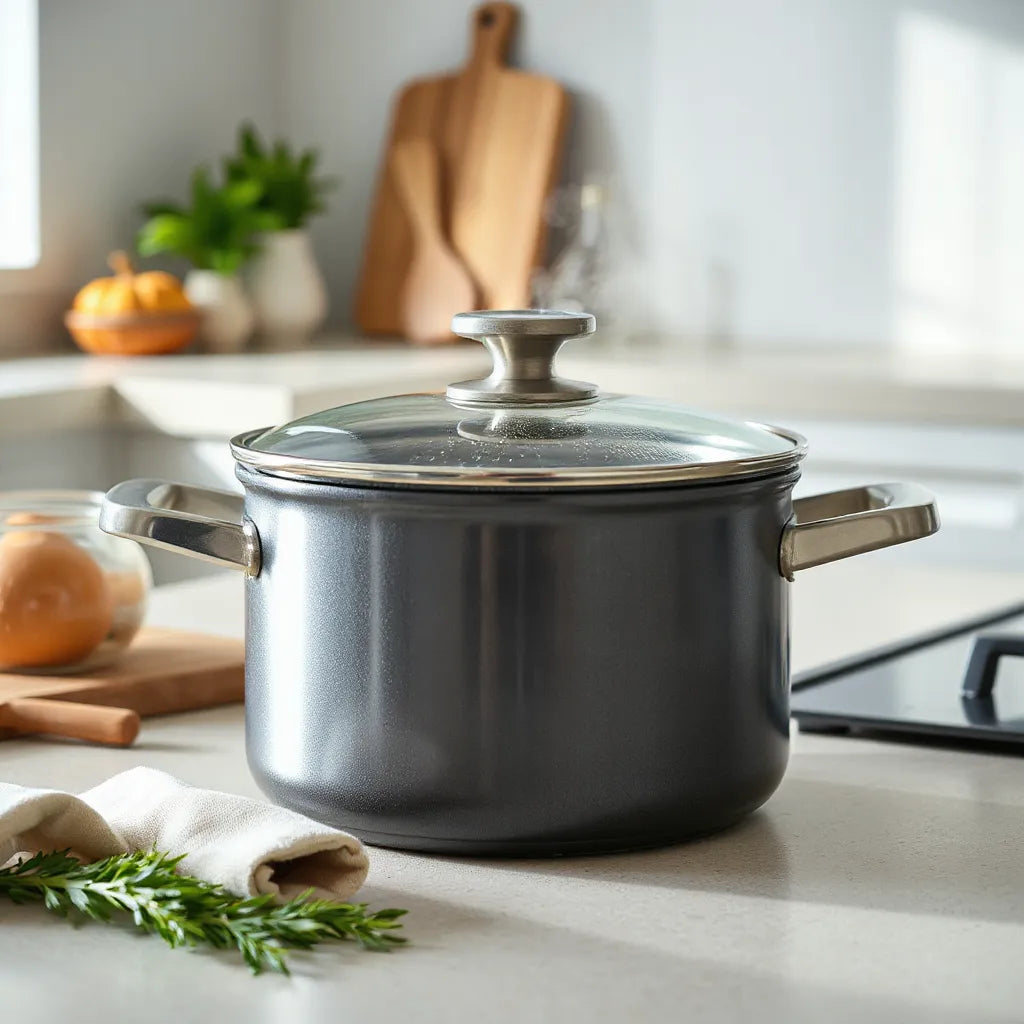
A nonstick stock pot with glass lid is designed to help you simmer, reduce, and reheat with less friction and better visibility. The glass lid allows you to monitor bubbles and steam without repeatedly lifting the cover. A quality nonstick coating can support easier release and simplified cleanup, especially for sauces and grains. When paired with the right heat habits, this cookware supports consistent results across everyday cooking tasks.
1. Why This Pot Choice Matters
3. Expert Tips for Better Results
4. Choosing the Right Size and Lid Style
5. Heat Control and Cooking Performance
Why This Pot Choice Matters
Choosing cookware for everyday meals is less about novelty and more about reliability. A nonstick stock pot with glass lid supports two practical goals at once: comfortable simmering and clear monitoring. Stock, broth, oatmeal, rice, and thickened sauces all benefit from steady heat and predictable moisture control. The glass cover improves visibility, which helps you keep textures consistent without constant lid removal.
Nonstick surfaces also play a functional role. They can reduce sticking when foods release starches or when the pot is used for reductions and reheating. For many home cooks, that means less scraping, faster cleanup, and more time spent on seasoning and timing rather than cleaning.
To get the most value from your investment, it is helpful to evaluate the pot in three dimensions: how it handles heat, how it manages moisture, and how safely it performs during daily use. The glass lid, in particular, can be the difference between a controlled simmer and a boil that turns too aggressive. With visibility, you can adjust heat sooner, which supports smoother outcomes across many recipes.
Did You Know?
- Glass lids help you watch simmer patterns and steam output without lifting the cover.
- Lower, steadier heat can reduce scorching risks in nonstick cookware.
- Condensation under the lid can support moisture retention during slow warming.
- Consistent monitoring often improves sauce thickness because you react earlier to bubbling changes.
Expert Tips for Better Results
Expert cooking habits tend to be simple: manage heat, respect materials, and maintain clean contact surfaces. When you use a nonstick stock pot with a glass lid, the goal is not maximum flame. The goal is stable temperature and controlled moisture.
- Use medium to low heat for most simmering. Nonstick performance is often best with gentle settings.
- Preheat briefly, then lower heat to match the recipe’s pace. Avoid long high-heat cycles.
- Keep the lid on during simmering. Lift only when you must, such as when adding ingredients.
- Use non-metal utensils. Silicone and wood styles help protect the coating.
- Stir more as sauces thicken, but stir gently. Sudden agitation can sometimes concentrate heat.
For cooks who also rely on reliable surface contact, pairing your routine with other stable cookware can improve consistency. If you prefer versatile daily performance, consider a durable skillet for browning before you simmer. You may also find value in a stainless option for high-heat tasks, such as the 304 stainless steel frying pan, while keeping the nonstick pot for simmering and gentle reheating.

Steam trail, simmer bubbles, and lid visibility cues
Choosing the Right Size and Lid Style
Size directly affects control. A pot that is too large for a small batch can lead to faster evaporation and uneven simmering. A pot that is too small may force frequent boil-over adjustments. When the lid is glass, visual feedback becomes part of your control system. You can see whether the simmer is too vigorous, too weak, or uneven across the surface.
Start by estimating common batch sizes. For weekly soups and broths, many households benefit from a pot that accommodates the typical volume without frequent reheating. If you make grains or oatmeal, choose a size that allows gentle stirring and expansion. For sauces, consider headspace; thickened liquids can rise as they boil.
Lid design matters as well. A properly fitted lid helps reduce heat loss and stabilizes moisture. With a glass top, you can track whether the liquid is maintaining a steady simmer. This helps you avoid unnecessary boiling, which can break down delicate flavor profiles and increase the chance of over-reduction.
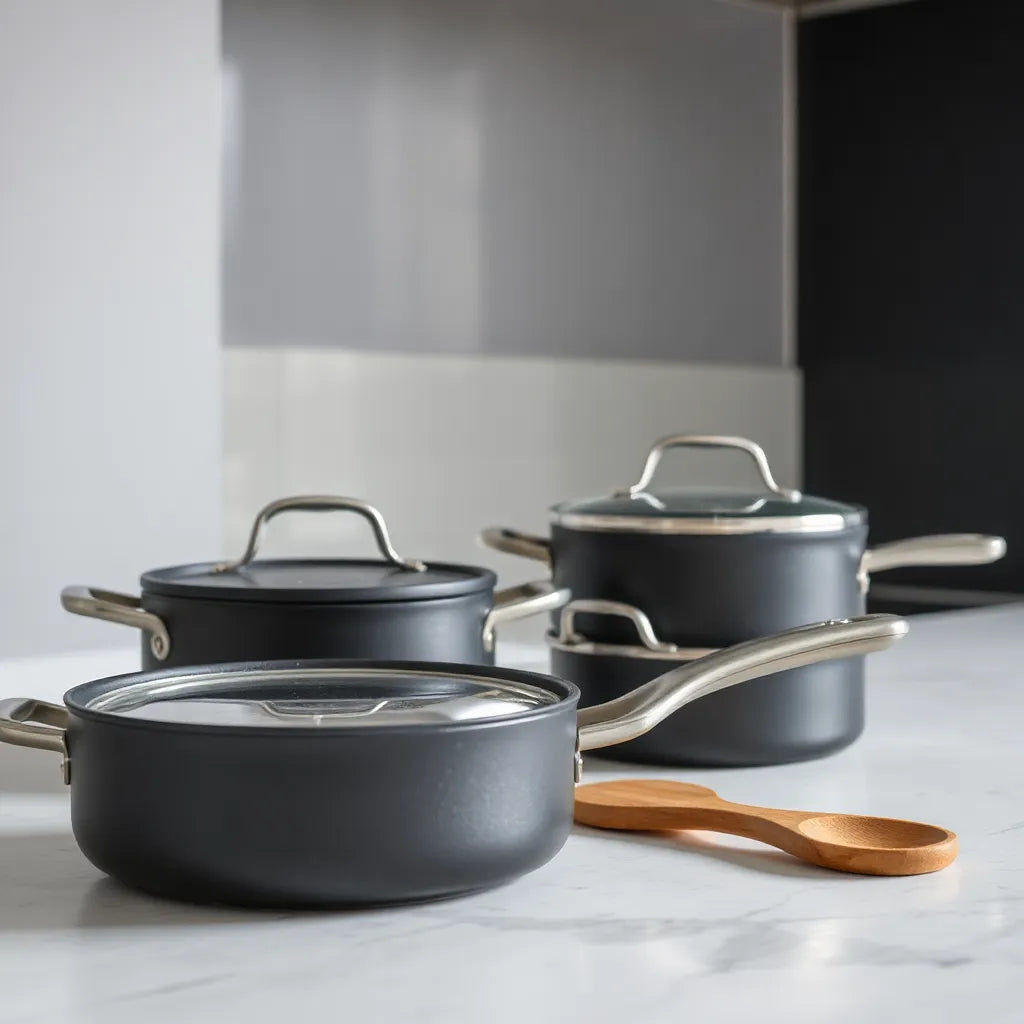
If your kitchen approach includes coordinated cookware sets, you might evaluate a compatible collection. A coherent set can help you match lid diameters, heat compatibility, and storage needs. For example, you can explore a nonstick cookware set to align daily tasks across pots and pans, while keeping the stock pot as your primary simmering tool.
Heat Control and Cooking Performance
Nonstick cookware can respond differently than fully abrasive stainless surfaces. That does not mean it requires delicate cooking in every scenario. It does mean that heat management is central. When the temperature runs too high, liquids can scorch, and residue can bake onto the coating. Scorching is less predictable than gentle simmering, so the best results come from stable, moderate heat and early adjustments.
The glass lid supports heat control by offering immediate visual cues. For stock and broth, you generally want small, steady bubbles that indicate a simmer, not an aggressive rolling boil. For reductions and sauces, the pot should reach the appropriate bubbling stage gradually so you can thicken without burning. By watching steam and bubbles through the glass, you can lower the heat sooner and extend the simmer time if needed.
To improve repeatability, standardize your process. Measure approximate liquid levels. Maintain similar stirring rhythms for the same dish categories. When a sauce thickens, switch from vigorous bubbling to a gentle simmer. This helps protect the nonstick surface while supporting texture.
If your routine also includes high-heat stir-fry, you may already use a dedicated wok. Many cooks keep separate tools for different heat profiles, such as an uncoated stainless steel wok for quick searing and tossing. This separation can reduce wear risk on nonstick coatings while preserving performance across tasks.

Thermometer scale, simmer stages, and controlled steam layers
Care and Maintenance for Longevity
Care is where cookware performance becomes practical. With a glass lid and nonstick interior, maintenance focuses on avoiding abrasive contact, preventing heavy residue from baking on, and using cleaning methods that preserve coating integrity.
- Let the pot cool before washing. Rapid temperature changes can stress materials.
- Use soft sponges or non-abrasive pads. Avoid steel wool and harsh scrubbers.
- Soak when needed. Warm water can loosen residue before you scrub.
- Dry thoroughly to reduce spotting on lids and rims.
- Remove stubborn residue gently using a non-abrasive cleaner formulated for nonstick surfaces.
When cooking sticky or starchy foods, residue can accumulate at edges. Avoid excessive scraping with metal tools. Instead, add a small amount of water and heat gently to soften residue, then wipe clean. This approach reduces friction and supports a longer lifespan of the coating.
The glass lid also benefits from simple cleaning habits. Condensation can leave faint marks, especially after reductions. Wipe it with a damp cloth and dry it promptly to maintain clarity, which directly supports the purpose of having a glass lid.
Common Mistakes to Avoid
Most problems with nonstick cookware come from predictable patterns. By recognizing these habits early, you can protect performance and avoid frustration.
- Using very high heat for extended periods, especially with thick sauces.
- Allowing liquids to run dry. This can cause scorching and permanent residue.
- Using metal utensils that can scratch the coating.
- Stacking cookware without protection if coatings may rub during storage.
- Scrubbing aggressively with abrasive pads.
Another frequent mistake is frequent lid lifting. While it may feel necessary to check progress, every lift releases heat and moisture. For simmering, that can slow down the cooking process and lead to uneven texture. The glass lid is designed for visibility, so use it as intended.
Finally, do not treat nonstick cookware as fully heat-agnostic. If you routinely cook at high flame, consider keeping separate cookware for those tasks. This improves safety, reduces wear, and helps each tool perform at its best.
Personal Anecdote
I learned the value of a glass lid during a week when I cooked several batches of broth and a few thickened sauces for meal prep. At first, I used to open the pot often to check progress. Each lift caused a temperature drop, and the simmer kept changing. Some batches reduced too quickly; others took longer than planned.
After switching to a nonstick stock pot with a glass lid, my process became more stable. I could watch the simmer through the cover and adjust heat without breaking the cooking rhythm. When the bubbling level looked too aggressive, I lowered the flame immediately. When it looked gentle enough, I left it alone. The result was not only consistent flavor, but also less residue baked onto the interior because the heat stayed controlled.
That experience made one idea clear: cookware that supports observation helps you cook more accurately. Visibility can be as valuable as material choice.
Summary & Takeaways
A nonstick stock pot with glass lid supports controlled simmering, easier monitoring, and simpler cleanup for many everyday recipes. The glass cover helps you manage bubbling and steam without repeated lid removal. Nonstick surfaces can reduce sticking, especially for sauces, grains, and reheating tasks, when you cook with moderate heat.
To maximize performance, choose a size that matches typical batch volumes, keep heat settings moderate, and use non-metal utensils. Maintain the cookware with gentle cleaning and short soaking when needed. With these habits, your stock pot can deliver consistent texture and reliable results across weeks of routine cooking.
If you are refining your cookware selection, review your broader setup as well. A coordinated kit can improve workflow, while dedicated high-heat tools can protect nonstick coatings. For nonstick-focused daily cooking, you may also want to explore a nonstick cookware set and keep the glass-lidded stock pot as your simmer and reduction workhorse.
Q&A Section
Is a glass lid essential for using a nonstick stock pot?
A glass lid is not strictly required, but it is highly practical. It enables direct visual monitoring of simmer strength and steam levels. That reduces the need to lift the lid frequently, which helps maintain steady cooking conditions and supports consistent results.
What heat setting works best for a nonstick pot used for stocks and reductions?
Moderate heat is typically the most effective approach. Many simmer tasks perform well on medium to low settings, especially when you want small, steady bubbles rather than aggressive boiling. Lower heat also supports a more predictable texture and can reduce the risk of scorching.
How should I clean the pot after cooking starchy soups or thick sauces?
Allow the pot to cool, then soak with warm water if residue is visible. Use a soft sponge or non-abrasive pad rather than abrasive tools. For stubborn buildup, gently warm a small amount of water to soften residue, then wipe clean. This method helps protect the nonstick surface.
Can I use metal utensils with nonstick cookware?
Metal utensils can scratch and degrade nonstick coatings over time. For best longevity, use silicone, wood, or heat-safe non-metal utensils. Gentler utensil contact also helps reduce residue buildup around scratched areas.
About the Author
Culivra
Culivra is a cookware-focused brand voice dedicated to practical kitchen performance, material awareness, and everyday cooking clarity. The team emphasizes how heat control, surface care, and compatible tools improve repeatability across recipes. Readers can expect guidance rooted in routine use rather than trends. Thank you for reading, and may your next simmer be steady and effortless.
Disclaimer: This article is for general informational purposes only and does not replace manufacturer instructions or professional guidance. Always follow care and usage directions provided with your cookware, including heat and cleaning recommendations.

Leave a comment
This site is protected by hCaptcha and the hCaptcha Privacy Policy and Terms of Service apply.