
Updated on: 2026-11-08
A nonstick cookware set can simplify everyday cooking while supporting quick release and easy cleanup. The right set helps you move from searing and sautéing to simmering with more consistent results. This guide explains how nonstick coatings work, what features to prioritize, and which maintenance habits protect performance. You will also find clear answers to common purchase questions so you can choose with confidence.
Table of Contents
Introduction
Choosing a nonstick cookware set is often about comfort and control. When food releases easily and cleaning becomes simple, daily meal prep turns more consistent and less stressful. However, not every nonstick set performs the same. Coating type, pan geometry, lid design, and temperature habits all influence results.
In this article, you will learn what actually makes nonstick cookware work, how to evaluate a set based on practical cooking needs, and how to maintain it so it continues to cook evenly. The goal is straightforward: help you buy a set that matches your cooking style and use it for longer with less frustration.
Product Spotlight
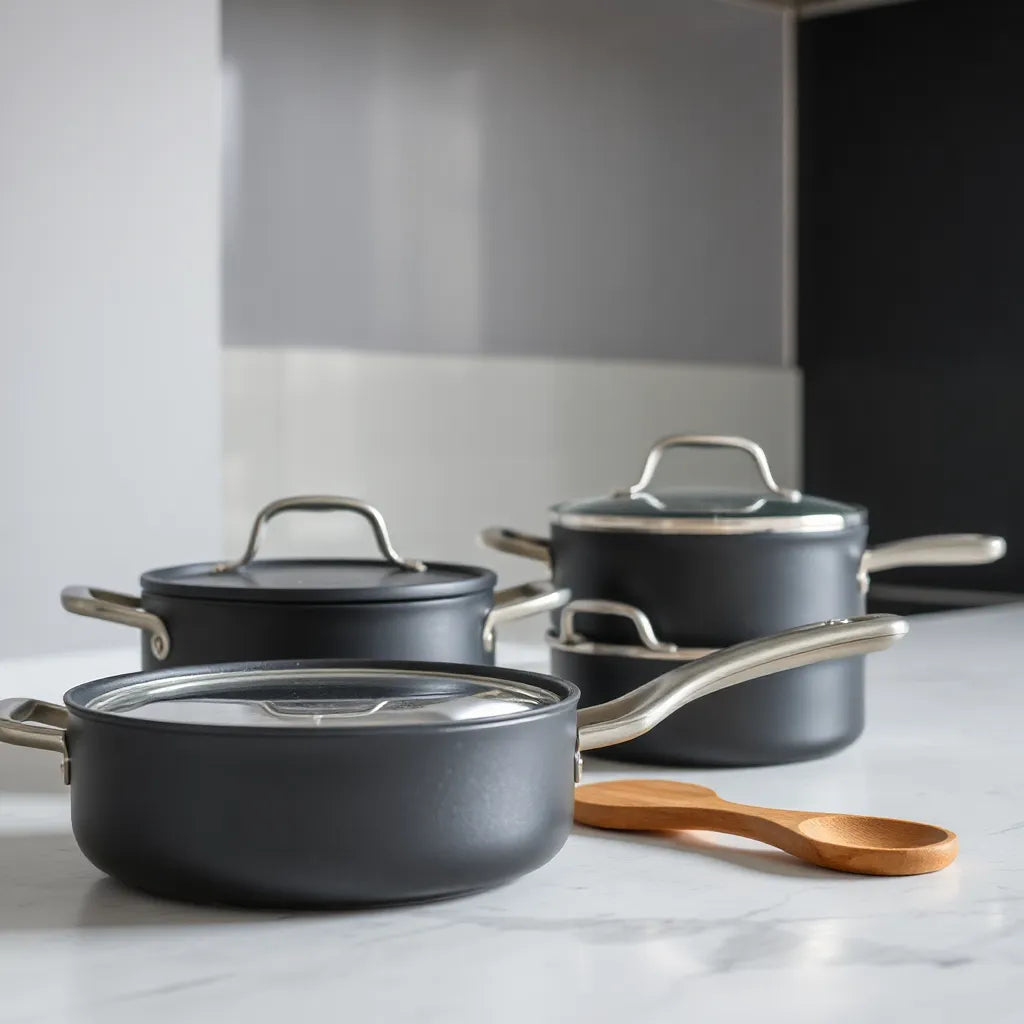
A high-quality nonstick cookware set is built for everyday versatility. Look for a balanced combination of even heat distribution, durable nonstick performance, and cookware shapes that support multiple techniques. Many sets include a mix of pans for frying and sautéing, along with sauce or stock options for warming liquids and reducing sauces. A well-designed lid system also matters because it helps retain moisture and maintain steady simmering.
When you compare sets, focus on the full cooking workflow. A nonstick surface should help with release and browning control. Handles should feel stable and remain comfortable during lifting and transfer. Base construction should help reduce hot spots, especially when cooking eggs, delicate proteins, or quick stir-fries.
If you want a direct comparison across materials, you may also review a different approach such as stainless steel. For example, 304 stainless steel frying pan options provide different browning behavior and can complement a nonstick set in a well-rounded kitchen.

Cross-section visuals of even heat flow and release
Nonstick Cookware Set 101
Nonstick cookware relies on a coating that reduces adhesion between food and the pan surface. This coating can lower the force required for food to release, which is why eggs, pancakes, and fish often turn out easier to flip and remove intact. In addition, nonstick surfaces typically require less oil for many tasks, which supports lighter cooking and faster cleanup.
It is important to understand that nonstick performance is influenced by temperature management. Most coatings perform best at moderate heat. Excessive heat can damage the coating and may also affect how evenly the pan warms. Even if a pan is designed for nonstick cooking, cooking at high temperatures for extended periods can shorten coating life and increase residue buildup.
Another factor is cookware geometry. A wider skillet improves evaporation control for sautéing, while a deeper pan helps contain splatter and liquid. Saucepans and stock pots benefit from a lid that seals well so steam does not escape unnecessarily. A set that matches these everyday roles can reduce the need to switch between too many pieces.
For cooks who want an alternative for high-heat wok-style cooking, an uncoated wok can be considered. You can explore uncoated stainless steel wok options if your routine includes tossing, rapid searing, and fast moisture changes.
Myths vs. Facts
Myth: Nonstick cookware is only for eggs
Fact: A well-chosen nonstick set supports far more than breakfast. With moderate heat and proper technique, you can sauté vegetables, cook lean proteins, simmer sauces, and reheat leftovers with less sticking.
Myth: Nonstick pans can handle any heat level
Fact: Nonstick coatings typically perform best under controlled temperatures. Higher heat increases the chance of coating wear and residue that is harder to remove.
Myth: Any utensils are safe
Fact: Coating longevity depends on utensil choices. Softer tools reduce surface abrasion, and careful movement helps prevent micro-scratches that can reduce nonstick release over time.
Myth: A nonstick set eliminates the need for technique
Fact: Even with nonstick, technique still matters. Preheating gently, using the right amount of oil, and avoiding prolonged empty heating can improve consistency and reduce buildup.
What to Look For Before Buying
When you select a nonstick cookware set, treat it as a tool collection rather than a single item. The most useful sets match your most frequent meals and cooking motions. Start with the pieces that cover your daily workflow.
1) Choose a set size that matches your household
Small households often benefit from a compact bundle with a skillet and a medium pot. Larger households may prefer an additional stock or sauce piece to handle meal prep. Overspending on extra sizes is common when a set includes pans that rarely get used.
2) Prioritize even heat and stable handling
Look for a base that supports uniform warmth across the cooking surface. Handles should be secure and comfortable. A stable handle improves control when lifting pans, especially when pans are hot or when you transfer food to plates.
3) Check lid fit and steam management
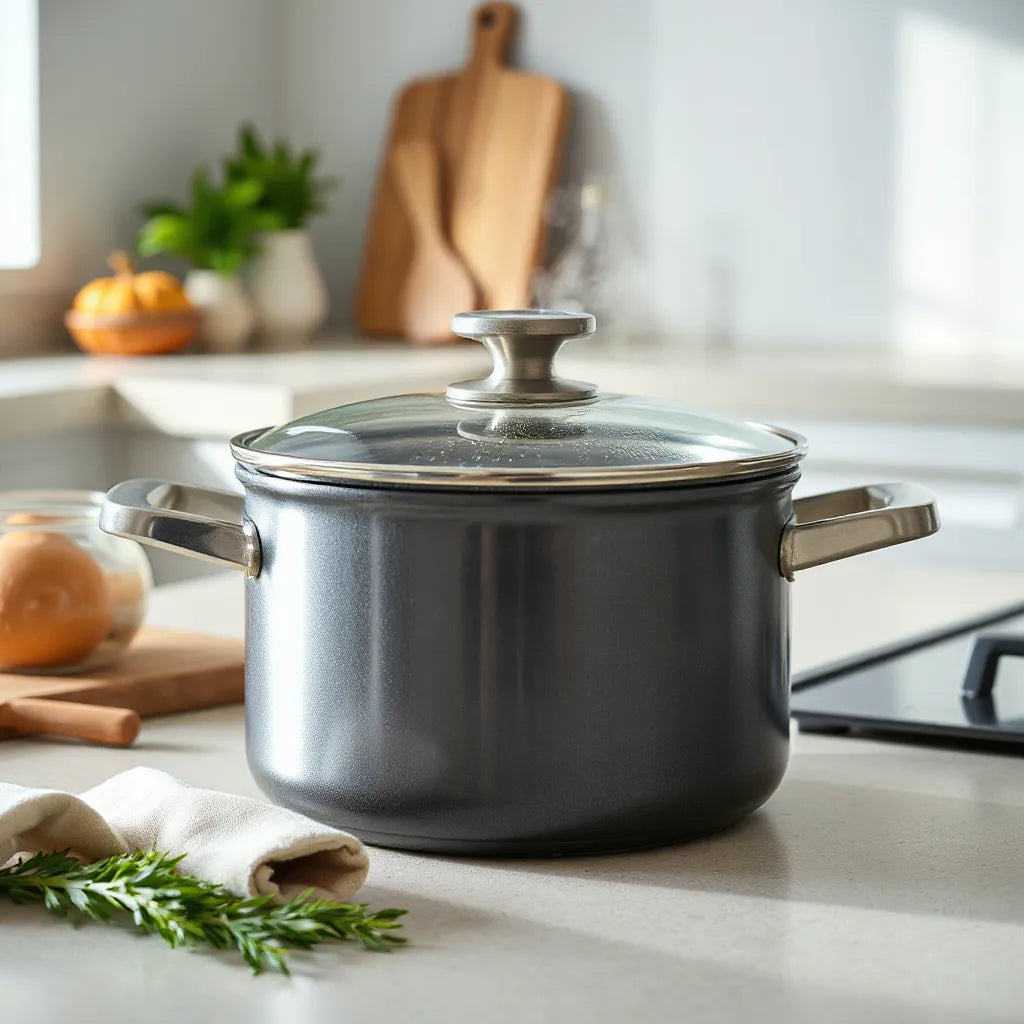
Lids are not only for covering. A well-fitted lid helps retain moisture and encourages steady simmering. Glass lids also allow visual monitoring, which can reduce over-reduction and prevent boiling over.
4) Evaluate the coating approach
Different nonstick coatings can vary in wear patterns and maintenance needs. Regardless of coating type, you should expect gentle use to preserve performance. Avoid abrasive cleaning tools and follow recommended temperature limits.
5) Consider how you cook most often
If you frequently cook sauces and liquids, a set that includes a stock-style option may deliver better convenience. If you primarily sauté and fry, a skillet-focused bundle can be more efficient.
For a closer match to this balance, you can review a nonstick cookware set selection that aligns with multiple everyday cooking tasks.

Lid steam cues and residue-safe cleaning symbols
Care and Maintenance That Extend Lifespan
Nonstick cookware performance is closely tied to everyday maintenance. With simple habits, you can preserve release quality, reduce stubborn residue, and protect the coating from unnecessary wear.
Use moderate heat and avoid empty preheating
Heating a nonstick pan empty at high temperatures can create hotspots and accelerate coating wear. Preheat gently, then add food when the pan is ready. When cooking eggs or proteins, start with moderate heat and adjust gradually.
Choose utensils that reduce scratching
Use silicone, wooden, or other soft utensils that do not scrape the surface. Avoid metal tools that can damage the coating. Even small scratches can increase adhesion and make cleanup harder over time.
Clean promptly and use gentle tools
Allow the pan to cool slightly before washing. Soak if needed, then use non-abrasive sponges. Avoid steel wool or harsh abrasive pads. For stuck-on food, use warm water and a mild detergent. This approach helps reduce the chance of coating scuffing.
Manage stains and buildup with safe methods
Residue can form from oils, sauces, and sugars. If buildup occurs, soaking and gentle washing often resolve it. For persistent marks, follow manufacturer guidance for recommended cleaners. Do not use aggressive chemicals that could degrade the coating.
Store with care
Stacking pans without protection can cause coating contact and abrasion. Use a soft separator or keep pieces from rubbing. Safe storage helps prevent micro-scratches that gradually reduce nonstick performance.
If your set includes specialized sauce or stock pieces, lid handling also matters. For example, you can explore nonstick stock pot with glass lid options to understand how lid fit and maintenance practices influence daily cooking.
Frequently Asked Questions
How do I prevent food from sticking on a nonstick surface?
Use moderate heat, preheat gently, and add food at the right time. A small amount of oil can improve release for some foods. Avoid overheating, which can create a harder residue layer.
Can I use a nonstick cookware set for sauces and simmering?
Yes, many sets include sauce and stock pieces designed for simmering. Use moderate heat, and keep lids fitted to maintain consistent moisture and reduce boiling over.
Is a nonstick cookware set dishwasher safe?
Safety depends on the specific product guidance. Many nonstick items benefit from handwashing to reduce exposure to harsh cleaning conditions. If dishwasher use is allowed, place cookware carefully and avoid overcrowding.
What is the best way to clean burned food?
Cool the pan, then soak with warm water and mild detergent. Gently lift residue with a non-abrasive sponge. If necessary, repeat soaking rather than scrubbing aggressively.
Final Recommendations
A successful purchase of a nonstick cookware set depends on matching features to your cooking habits. Choose a set that includes the pieces you use most, with lids that fit well and handles that remain comfortable. Focus on moderate heat use and utensil compatibility, because coating life is closely connected to daily behavior.
As a practical approach, treat nonstick as your reliable everyday surface for eggs, delicate proteins, and quick sautéing. For high-heat searing and long reductions, consider pairing with other cookware materials as needed. This combination supports better results while reducing the chance of overworking a single pan type.
Before you commit, review the set contents and confirm that the sizes suit your household. If you want one cohesive choice, compare set options and select the version that balances skillet versatility with pot usefulness. The goal is long-term usability, not only immediate convenience.
Q&A Section
What is the ideal heat range for nonstick cooking?
Moderate heat is typically the most consistent option. If you notice smoke or strong browning that feels too aggressive, reduce temperature and allow the pan to stabilize before continuing.
How can I tell whether my nonstick coating is wearing unevenly?
Uneven wear may show as patchy loss of release, increased sticking in specific areas, or visible scuffing. Regular gentle cleaning and utensil care reduce uneven abrasion.
Should I switch to different cookware when cooking sugary sauces?
Nonstick can still be used with sugary sauces if you keep heat controlled and clean promptly after cooking. Avoid letting sticky residues bake onto the surface, and consider soaking soon after the pan cools.
About the Author
Culivra provides guidance on selecting cooking tools that support practical, repeatable results in everyday kitchens. Our topic expertise focuses on cookware materials, surface performance, and maintenance habits that help maximize value over time. We aim to keep recommendations objective and easy to apply. Thank you for reading, and we hope your next cooking routine feels simpler and more consistent.
Disclaimer: This article is for general informational purposes only and does not constitute product guarantees or professional advice. Always follow the care instructions provided with your specific cookware and use the recommended temperature guidance for best results.

Leave a comment
This site is protected by hCaptcha and the hCaptcha Privacy Policy and Terms of Service apply.