
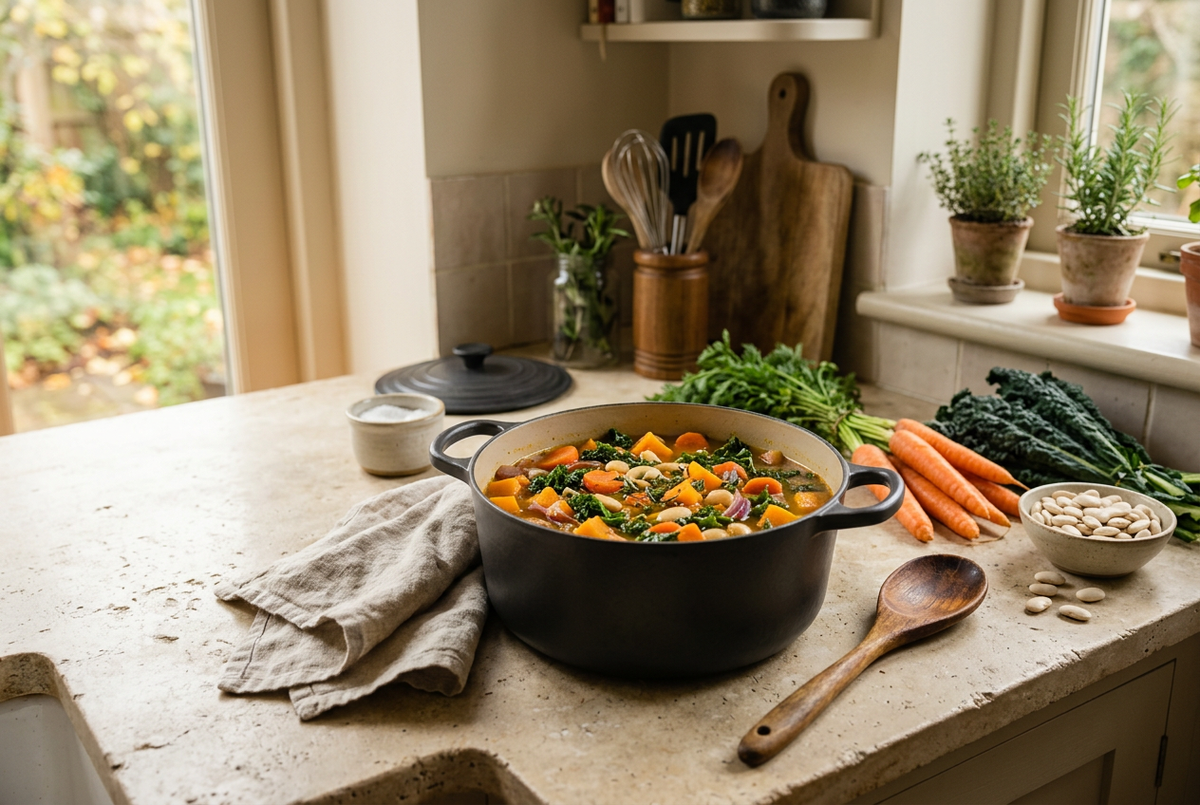
One-pot cooking is one of the most useful habits you can bring into an everyday kitchen. Instead of juggling several pans, a complicated sequence of cooking times and a sink full of washing-up, you build a meal in one main vessel. The result can be a comforting stew, a colourful rice dish, a generous soup or a quick pasta supper.
The appeal is not simply convenience. Cooking ingredients together allows flavours to mingle, helps you make use of what is already in the cupboard and encourages a more flexible approach to dinner. With a little understanding of heat, liquid and timing, you can move beyond following recipes word for word and start creating meals that suit your household.
This practical guide explains how to choose cookware for one-pot meals, build a flavourful base, avoid common mistakes and develop a small collection of reliable dinner ideas. Whether you cook for yourself, share a kitchen or feed a busy family, the aim is the same: less unnecessary work and more enjoyable food.
What is one-pot cooking?
One-pot cooking means preparing the main elements of a meal in a single pot or pan. Ingredients do not necessarily go in at the same time. In fact, adding them in stages is often what makes the method successful. You might soften onions first, stir in spices, add vegetables and liquid, then finish with beans and fresh herbs.
The method includes far more than slow-cooked stews. A broad frying pan can hold a quick tomato and chickpea supper, while a deeper pot can accommodate soup or pasta. Some dishes stay entirely on the hob; others move into the oven, but only when every part of the cookware is rated for that use.
It is helpful to think of one-pot cooking as a way to organise a meal rather than a strict rule. If you serve bread alongside a soup or add a cold salad, you have not failed. The purpose is to simplify cooking without sacrificing flavour, texture or the food you actually want to eat.
Why one-pot meals work well for everyday dinners
The most obvious advantage is fewer cooking vessels to wash. Just as importantly, you can concentrate on one main cooking area instead of monitoring several separate pans. That makes it easier to notice when onions are ready, when a sauce needs loosening or when vegetables have reached the texture you like.
One-pot meals are also adaptable. A tin of beans, a few vegetables and a little stock can become a satisfying dinner without an extensive shopping list. You can vary herbs, spices and finishing ingredients while keeping the same basic method. This flexibility is particularly useful near the end of the week, when ingredients need using.
There can be less active work, but one-pot does not automatically mean faster or lower-energy. A long simmer still takes time, and different cooking methods have different requirements. Choose the approach because it fits your evening: a quick skillet meal when time is short, or a gentle stew when you can leave dinner cooking while doing something else nearby.
How to choose cookware for one-pot cooking
Match the shape to the meal
A deep pot is useful when the meal contains plenty of liquid or bulky ingredients. Think vegetable soups, bean stews and pasta dishes that need room for stirring. A wider, shallower pan is better when you want moisture to evaporate, ingredients to sit in a relatively even layer or a sauce to reduce.
For soups and saucy dinners, explore Culivra's Nonstick Stock Pot with Glass Lid. For shallower hob dishes, the 304 Stainless Steel Frying Pan is another option to consider. Check the current product details and choose a size that suits both your portions and your hob.
Leave enough room to stir
A pot that is filled close to its rim makes simple tasks awkward. Ingredients spill when you stir, liquid can bubble over and it becomes harder to distribute heat evenly. Choose cookware with comfortable space above the food, especially when adding leafy vegetables that start bulky before wilting.
Do not assume a larger vessel is always better, either. A small quantity of food spread across a very wide pan may lose liquid more quickly than expected. Your ideal cookware is the piece that matches the amount you normally prepare. If you regularly cook several different styles of meal, compare the pieces in Culivra's Nonstick Cookware Set with your actual cooking habits.
Check compatibility rather than guessing
Before cooking, check the manufacturer's instructions for hob compatibility, utensils, cleaning and temperature limits. Oven suitability can depend on handles, coatings and lids, not just the material of the main body. A glass lid does not, by itself, establish an oven temperature rating.
Use heat appropriate to your cookware and recipe. There is rarely a need to turn the hob to its highest setting throughout a meal. Once liquid is simmering, adjust the heat so the food cooks steadily rather than boiling aggressively. This also gives you more control over evaporation and the final consistency.
The essential method: build a one-pot meal in layers
Start with a flavour base
Many successful one-pot dinners begin with onion, leek, garlic or another aromatic ingredient. Cut these into reasonably consistent pieces and cook them with a little suitable oil, stirring as needed. Allow enough time for them to soften instead of rushing straight to the liquid stage.
Garlic generally needs less time than onion, so add it later if your base is taking a while to cook. Ground spices can be stirred in briefly before the liquid, provided they do not scorch. If the pan starts looking dry or the spices catch, lower the heat and add a small splash of liquid.
Add ingredients according to cooking time
Dense vegetables such as carrots usually need longer than tender greens. Add the ingredients that require more cooking first, then introduce quicker ingredients later. This simple sequence prevents a meal in which some pieces remain firm while others have lost their texture.
Cooked pulses are useful because they can join the pot once the longer-cooking vegetables are progressing. Dried pulses are different: they may need soaking, separate preparation or specific boiling instructions. Follow their packet directions rather than treating them as interchangeable with tinned beans, particularly when using dried kidney beans.
Choose your liquid carefully
Stock, water, chopped tomatoes and combinations of these can form the cooking liquid. Consider the flavour already present before reaching for a strongly seasoned stock. If several ingredients contain salt, taste before adding more. You can always adjust the seasoning towards the end.
Begin with the amount specified in a reliable recipe when cooking rice, pasta or other ingredients that absorb water. Pot shape, lid fit and heat level all affect evaporation, so keep an eye on the meal rather than relying entirely on a timer. Add a little more hot liquid if the dish is drying before the ingredients are cooked.
Finish for freshness and balance
A long-cooked dish can benefit from something bright added at the end. A squeeze of lemon, chopped parsley, torn basil or a spoonful of yoghurt can change the whole character of a meal. Add these thoughtfully and taste as you go, rather than including everything at once.
Texture matters too. A soft bean stew can feel more interesting with toasted seeds added at the table or crusty bread served alongside. Keep crisp toppings separate until serving. That way, the main meal remains straightforward while the finishing touches provide contrast.
Five flexible one-pot dinner ideas
1. Tomato, butter bean and vegetable stew
Soften onion and diced carrot, then add garlic and a little smoked paprika. Stir in chopped tomatoes, a splash of stock and drained tinned butter beans. Simmer until the vegetables are tender, adding liquid if necessary, then fold through spinach or another quick-cooking green near the end.
This is an easy template to adapt. Courgette, peppers or mushrooms can replace some of the vegetables, while different cooked beans change the texture. Finish with parsley and a little lemon juice if the flavour needs lifting. Serve with bread or enjoy it as a bowl meal on its own.
2. Mushroom and pea rice
Cook sliced mushrooms until they release moisture and develop flavour, then add softened onion and your chosen rice. Use a tested rice recipe for the liquid quantity and cooking method, because different varieties need different treatment. Add peas late enough that they keep some colour and texture.
Once the rice is cooked, let the dish rest as directed before gently fluffing or stirring it. Lemon zest and herbs work well as a finish. If adding cheese or a dairy alternative, taste again afterwards before adjusting the salt. The goal is a balanced dish, not one dominated by stock or seasoning.
3. Quick tomato and spinach pasta
One-pot pasta relies on a controlled amount of liquid, so begin with a reliable recipe suited to the pasta shape you are using. Combine the sauce ingredients and liquid as instructed, then stir the pasta regularly enough to prevent it sticking. Add spinach towards the end rather than at the beginning.
Watch the consistency closely during the final minutes. The sauce may look loose before the pasta finishes absorbing liquid, and it can thicken further as it stands. If necessary, add a small splash of hot water to loosen it. Finish with black pepper and fresh herbs, then serve promptly for the best texture.
4. Lentil and root vegetable soup
Start with softened onion, carrot and celery if available, then add lentils, stock and your preferred herbs. Follow the lentil packet's preparation and cooking instructions. Red lentils tend to create a softer, thicker soup, while some other varieties retain more of their shape.
Cut the vegetables to suit the cooking time and stir occasionally as the soup thickens. You can leave it chunky or blend part of it using equipment appropriate for hot food. A little lemon juice at the end often helps balance the earthy flavours. Serve with bread and keep garnishes simple.
5. Chickpea, pepper and tomato skillet
A wide pan works well for a quick meal built around softened peppers, onions, tomatoes and drained tinned chickpeas. Cook the vegetables first, then add the chickpeas and let everything simmer until the sauce reaches the consistency you prefer. A pinch of cumin or paprika offers an easy variation.
This style of dinner is useful when you want a meal that is more substantial than a sauce but less liquid than a soup. Finish with chopped herbs and serve directly from the pan if it is safe to do so, protecting the table and handling hot cookware carefully. Bread makes a simple accompaniment.
Common one-pot cooking mistakes and how to avoid them
Adding everything at once
Putting every ingredient into the pot together can work for recipes designed that way, but it is not a universal shortcut. Onions may stay sharp, quick-cooking vegetables may become too soft and spices may lack depth. Follow a staged approach unless the recipe specifically calls for a different method.
Using too much liquid
Extra liquid is easy to add but harder to remove once delicate ingredients are cooked. If a stew is too thin, simmering uncovered can help, provided the food can tolerate more cooking. Next time, start more cautiously and remember that vegetables and tinned tomatoes contribute moisture of their own.
Overcrowding during browning
A crowded pan traps moisture, so ingredients may steam rather than brown. If browning is important to the recipe, work in batches and return the food to the same pot later. One-pot cooking refers to the cookware you use; it does not mean every ingredient has to stay inside it throughout the entire process.
Forgetting to taste at the end
A dish that seems bland may need salt, acidity, freshness or simply a little reduction, rather than more of every spice. Taste a spoonful once it has cooled enough to assess safely. Make one adjustment at a time so you can understand what actually improves the meal.
Organise your kitchen around easier cooking
A small, useful pantry makes one-pot cooking easier than a cupboard full of ingredients you rarely touch. Keep a few staples that match your favourite meals: pasta, rice, tinned tomatoes, cooked pulses and a modest selection of herbs and spices. Check what you already have before shopping.
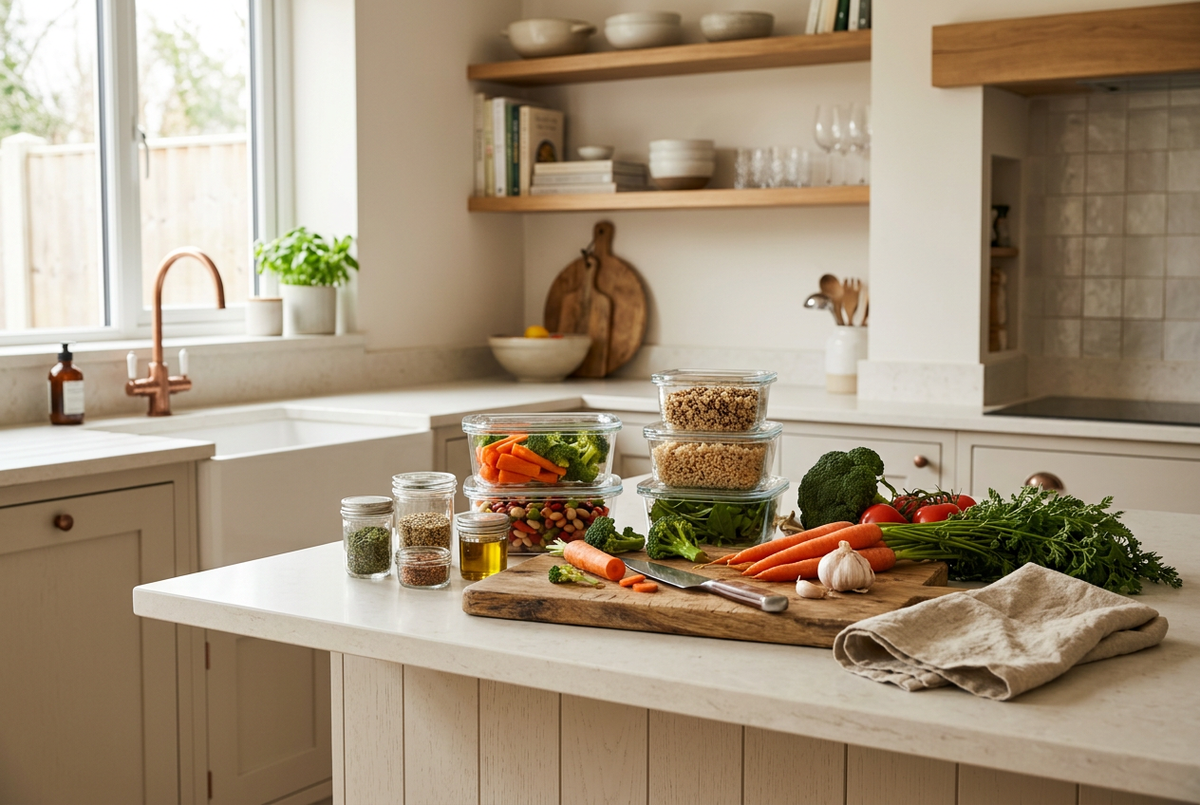
Store dry ingredients according to their packaging instructions, with labels that retain important information such as allergens, cooking directions and best-before dates. Culivra's Airtight Food Storage Container and 10-Piece Glass Storage Jar Set offer options to explore when organising different quantities of dry ingredients. Match each container to what you actually need to store.
Keep frequently used utensils close to the hob without cluttering your working area. Before turning on the heat, chop the vegetables, open the tins and measure ingredients that need careful proportions. This short preparation stage can make the cooking itself feel much calmer, especially when a recipe moves quickly.
Plan portions and handle leftovers thoughtfully
Many soups and stews are convenient to portion, but only make extra if you have a realistic plan for it. Consider how many people will eat the meal, whether you have suitable containers and how much fridge or freezer space is available. Doubling a recipe may also require a different pot and adjustments to cooking time.
For storing prepared portions, explore Culivra's Glass Meal Prep Containers. Follow the container instructions for each component, including lids, and do not assume that suitability for one appliance means every part can be used in another. Avoid sudden temperature changes unless the manufacturer's directions explicitly allow them.
Follow current Food Standards Agency guidance for cooling, refrigerating, freezing and reheating leftovers. Rice needs particular care, so check the specific advice for rice dishes rather than treating every one-pot meal identically. If you want help planning the cooking side, read our meal prep guide for beginners for a broader approach to organising weekday food.
Frequently asked questions about one-pot cooking
Can I make a one-pot meal without a recipe?
Yes, particularly with flexible soups and stews built around vegetables and already-cooked pulses. Start with a flavour base, add ingredients in cooking-time order and adjust the liquid gradually. For rice, dried pulses and unfamiliar ingredients, use tested instructions until you understand their preparation and timing requirements.
Is a frying pan or a stock pot better?
Neither is best for every dish. A deeper pot suits liquid-rich meals and larger volumes, while a wide frying pan helps sauces reduce and gives ingredients more surface contact. Choose according to the meal, the quantity and the manufacturer's guidance, rather than buying cookware based on the one-pot label alone.
Why does my one-pot pasta stick?
Sticking can happen when there is too little liquid, the heat is too high or the pasta is not stirred as required. Use a recipe designed for one-pot pasta, watch the pan as the liquid reduces and adjust with small additions of hot water when necessary. A different pasta shape may need different timing.
How can I make a simple stew taste more interesting?
Give the aromatic base enough time, choose a coherent seasoning direction and finish with contrast. Lemon juice, fresh herbs or a suitable topping can make a bigger difference than adding several extra spices. Taste before and after each adjustment so you can build confidence in your own preferences.
Start with one reliable dinner
You do not need an entirely new set of recipes to make one-pot cooking part of your routine. Choose one meal you already enjoy, prepare it with attention to timing and liquid, and note what works. Once that method feels comfortable, change a vegetable, pulse or seasoning while keeping the structure familiar.
The best everyday kitchen habits are the ones you can repeat without much friction. A well-chosen pot, a practical cupboard and a handful of dependable methods can make dinner feel far more manageable. Explore Culivra's cookware and kitchen storage to find pieces that fit the way you cook, then put them to work on a simple meal you look forward to eating.

Leave a comment
This site is protected by hCaptcha and the hCaptcha Privacy Policy and Terms of Service apply.