
To sauté vegetables without them going soggy, dry them thoroughly, cut them into evenly sized pieces and cook in a preheated frying pan with a little oil. Keep the vegetables in a loose single layer, work in batches when necessary and leave the lid off so moisture can escape. Add firm vegetables before softer ones, stir occasionally rather than constantly, and add sauces near the end. The aim is browned edges and a tender centre, not vegetables simmering in their own liquid.
A good pan of sautéed vegetables can turn a simple dinner into something worth looking forward to. Sweet peppers, golden courgettes and tender broccoli bring colour, flavour and texture to rice, pasta or a bowl of lentils. Yet the same ingredients can become pale and watery if the pan is crowded or the heat is poorly managed.
This Culivra guide explains how to sauté vegetables on the hob, choose a suitable pan and troubleshoot common problems. It also includes a flexible mixed-vegetable method, ingredient-specific advice and answers to everyday cooking questions. You do not need restaurant equipment or an elaborate recipe. A few repeatable habits make the biggest difference.
What does sauté mean?
Sautéing means cooking food relatively quickly in a shallow pan with a small amount of fat. The ingredients make contact with the hot surface, developing flavour while moisture escapes. You move them often enough to cook evenly, but not so frequently that they never have time to colour.
For vegetables, the target is usually a balance of browning and tenderness. A pepper can soften while keeping some bite. A courgette can develop a golden cut surface without collapsing. Different vegetables need different timings, which is why preparation and cooking order matter as much as the temperature setting.
Sautéing versus stir-frying
Stir-frying typically uses relatively high heat, small pieces and frequent movement, often in a wok. Sautéing usually involves a shallow frying pan and can use a more moderate heat. There is overlap in home cooking, but neither method benefits from filling the pan with more food than it can handle.
If you want a wok-based meal with a prepared sauce and quickly cooked ingredients, see Culivra’s guide to stir-frying at home. For a straightforward vegetable side dish, the sautéing approach here is an easy place to start.
Sautéing versus steaming
Steaming uses water vapour to cook food. It is useful when you want vegetables tender without much browning. Sautéing encourages surface moisture to evaporate so the vegetables can colour against the pan. Neither is inherently the right method for every meal; the problem comes when you want a sautéed result but accidentally create a crowded steam bath.
Why do sautéed vegetables go soggy?
The most common reason is too much moisture for the pan to evaporate efficiently. Vegetables contain water, and they release some of it as they heat. If they are also wet from washing, packed closely together or covered with a lid, that liquid can collect faster than it cooks away.
A crowded pan also makes it difficult for each piece to touch the cooking surface. Some pieces sit on top of others and soften in steam instead of browning. Turning the heat up aggressively may then burn the bottom layer while the rest remains wet.
Other causes include cooking delicate vegetables for too long, adding sauce before the vegetables have coloured, or cutting ingredients into mismatched sizes. Thin courgette slices will soften long before chunky carrot pieces. A useful method has to account for those differences rather than treating all vegetables as identical.
Choose a frying pan with enough usable space
A broad cooking surface is useful because it lets you spread vegetables out. Look at the flat base rather than the rim alone: a pan with steeply sloping sides may have less usable contact area than its overall diameter suggests. Choose a size that suits both your hob and the quantity you normally cook.
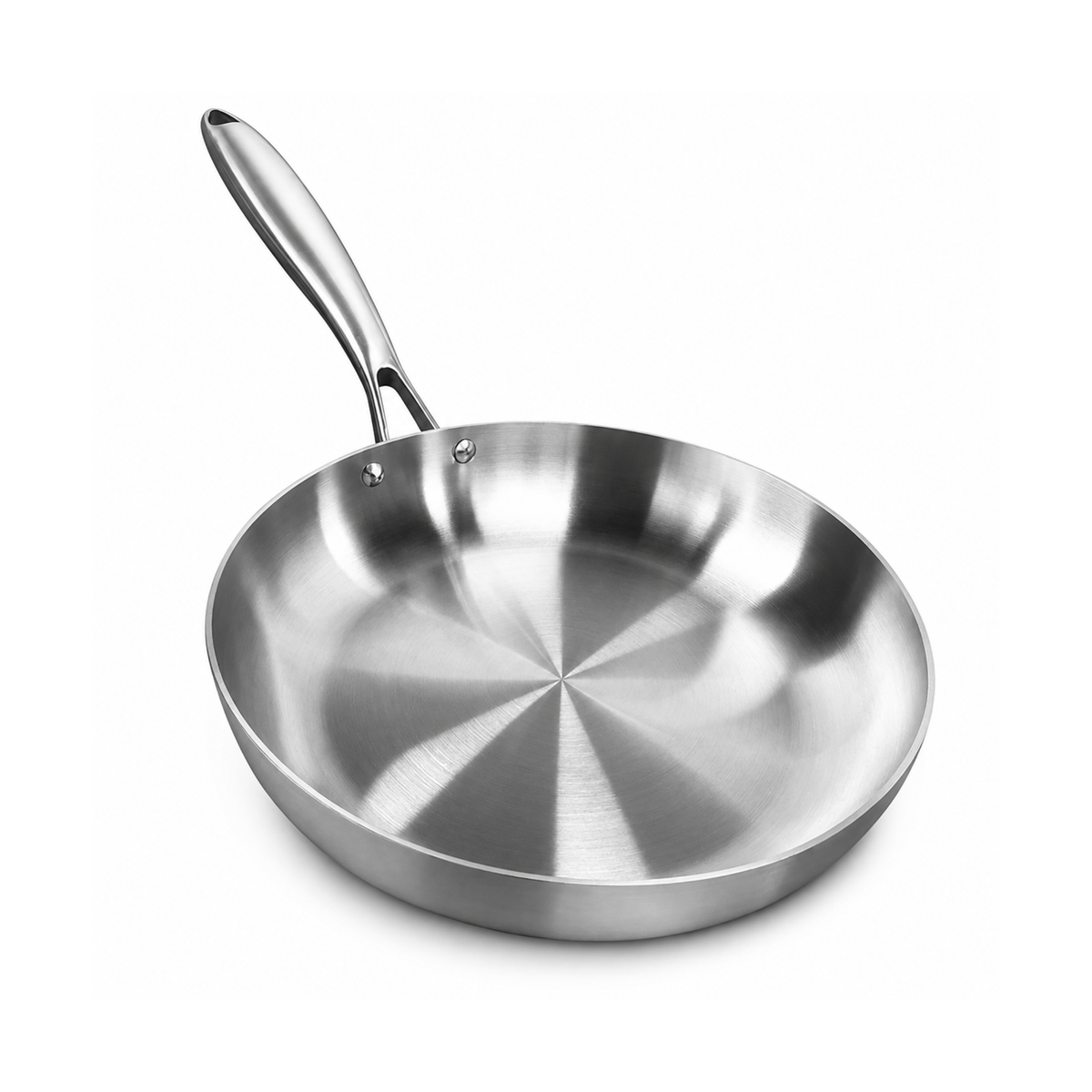
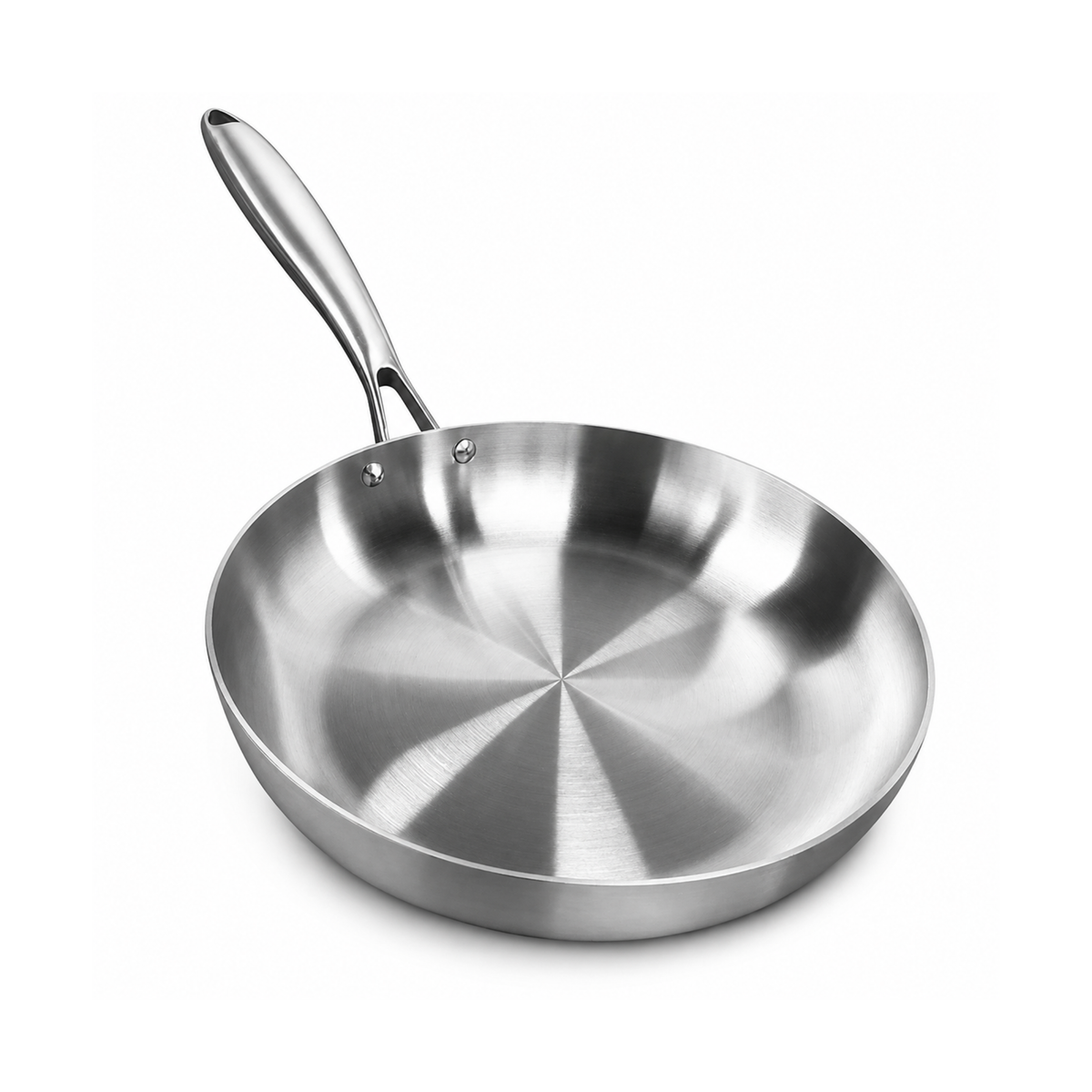
Stainless steel can work well for sautéing because it allows browning on the cooking surface. Culivra’s 304 Stainless Steel Frying Pan is an uncoated option to consider. As with any pan, read its care guidance, match it to a suitable burner and avoid assuming that maximum heat is necessary.
A nonstick frying pan can also be useful, particularly when you want easy release with delicate ingredients. Follow the manufacturer’s heat and utensil guidance. The important point is that no surface can completely compensate for overcrowding or vegetables that are dripping wet.
For more help with an uncoated pan, read how to cook with stainless steel without food sticking. Learning how your own pan responds to heat is more useful than chasing a universal hob setting.
Prepare vegetables for better browning
Wash, then dry thoroughly
Wash your vegetables as appropriate and drain them well. Use a clean tea towel, kitchen paper or a salad spinner for suitable leaves to remove excess surface water. Pay attention to broccoli florets and leafy vegetables, which can hold water in their folds and crevices.
Dry does not mean dehydrated. You are simply removing the extra water sitting on the outside. Putting freshly washed vegetables straight into hot oil can cause splattering and makes it harder to achieve the browned edges you are aiming for.
Cut for the texture you want
Keep pieces of the same vegetable reasonably consistent. Similar sizes cook at similar rates, making it easier to stop before some pieces become mushy. Use thicker slices when you want a more substantial bite, and smaller pieces when a quick cooking time matters.
Different vegetables do not need identical cuts. Carrots can be sliced thinly, peppers cut into strips and broccoli divided into small florets. Think about how quickly each ingredient softens. Dense vegetables generally need either smaller cuts or an earlier start.
Prepare seasoning before switching on the hob
Have your oil, salt, pepper and finishing ingredients within reach. Chop garlic before cooking rather than trying to do it while the vegetables are already browning. A sauté can move quickly once moisture evaporates, and preparation helps you avoid burning an ingredient while searching for the next one.
A flexible sautéed vegetables recipe for beginners
This method makes a simple side dish for around two people, depending on appetite and the rest of the meal. It is a starting point rather than a rigid formula. Use a broad frying pan, and cook in batches if the vegetables cannot sit in a loose layer.
Ingredients
- One small courgette, sliced into half-moons
- One pepper, deseeded and cut into strips
- One small carrot, thinly sliced
- One small onion, sliced
- One to two tablespoons of olive oil or another suitable cooking oil, as needed
- One small garlic clove, finely chopped, optional
- Salt and black pepper, to taste
- A little lemon juice and chopped parsley, optional, to finish
The exact cooking time depends on your cuts, pan, hob and preferred texture. Allow roughly 10–15 minutes for the cooking itself, with extra time if you use batches. Use appearance and tenderness as your final guide rather than treating the clock as a guarantee.
Step 1: Warm the pan
Place the pan over a moderate heat and allow it to warm according to its care guidance. Add enough oil to lightly coat the cooking surface. The oil should flow easily, but it should not be smoking. If it smokes, reduce the heat and let the pan settle before adding food.
A very powerful burner can overheat a small pan surprisingly quickly. Start with control rather than force. You can increase the heat slightly if moisture is accumulating, but you cannot undo burnt oil or blackened garlic.
Step 2: Start with the firmer ingredients
Add the carrot and onion, spreading them out. Let them cook for a few minutes, stirring occasionally, until the onion begins to soften and the carrot loses some of its raw firmness. Adjust the heat if the onion is darkening before the carrot starts to soften.
If the pan is already crowded at this stage, remove part of the mixture and work in batches. That decision may feel slower, but it is usually quicker than trying to evaporate a deep pool of liquid later.
Step 3: Add peppers and courgette
Add the pepper strips, then the courgette, allowing space for their cut surfaces to touch the pan. If necessary, cook the courgette separately and combine everything at the end. Leave the pieces undisturbed briefly between turns so they have a chance to colour.
Listen for a steady sizzle rather than a violent crackle. Watch the vegetables themselves: light browning is useful, while rapidly blackening edges mean the heat needs reducing. If there is almost no sound and water is pooling, check whether you have overloaded the pan.
Step 4: Add garlic near the end
When the vegetables are nearly as tender as you want them, make a little space and add the garlic with a small amount of oil if needed. Stir it through once fragrant, usually after a brief cooking period. Finely chopped garlic can burn quickly, so do not add it at the start of a long sauté.
Step 5: Season and finish
Taste a piece of carrot and a piece of courgette. If the texture is right, season with salt and pepper, then take the pan off the heat. Add a small squeeze of lemon and some chopped parsley if you like. The finish should lift the vegetables, not leave them swimming in liquid.
Serve promptly for the best contrast between browned edges and a tender centre. A large, deep serving bowl traps steam, so avoid piling the vegetables into a covered container if you want to preserve their freshly sautéed texture.
What order should you cook different vegetables in?
Start with ingredients that need the longest time and finish with those that wilt or soften quickly. For a mixed pan, dense roots usually go first, followed by firmer vegetables such as peppers, then softer vegetables and finally delicate leaves or herbs.
Cut size can change the order. A paper-thin carrot ribbon cooks faster than a large broccoli floret. Think of cooking order as a framework, not a rule that overrides what is actually in your pan. Taste and inspect as you go.
Carrots
Thin slices or small batons are easier to sauté than large chunks. Start them early and allow enough time for the centre to soften. If the outside is browning too quickly, reduce the heat. A brief separate steam or blanch can help with thicker pieces, but drain and dry them before browning.
Peppers
Peppers work well in strips or bite-sized squares. They can be served with a little crunch or cooked until softer and sweeter. Give the cut surfaces time against the pan, and do not assume that losing all firmness is necessary for them to be cooked to your liking.
Courgettes
Courgettes release plenty of moisture and can soften quickly. Use reasonably substantial slices, avoid overcrowding and turn them gently. If you want golden surfaces, cook them in a separate batch rather than burying them beneath onions and peppers.
Broccoli
Small florets cook more evenly in a frying pan than very large ones. Slice the peeled stalk thinly so it can cook alongside the florets. For a softer result, briefly steam or blanch the broccoli first, then drain thoroughly before sautéing. This is a deliberate two-stage method, not an accidental watery sauté.
Spinach and other delicate leaves
Add tender leaves near the end because they wilt rapidly. A big handful can shrink dramatically and release water. If you are cooking a large quantity of spinach, prepare it separately so its moisture does not undo the browning on the other vegetables.
Mushrooms
Mushrooms often deserve their own batch because they can release a substantial amount of liquid. Give them space and enough time for that moisture to evaporate. For a fuller explanation, see how to cook mushrooms without them going soggy.
When should you add salt?
Salt affects flavour and can encourage vegetables to release moisture. That does not mean early salting always ruins a sauté. The result also depends on the vegetable, quantity, temperature and how much time the pan has to evaporate water.
For a beginner aiming for browning, lightly season after the vegetables have started to colour, then make a final adjustment at the end. This keeps the process simple and avoids adding too much before the vegetables shrink. If you use a salty finishing sauce, taste before adding extra salt.
How to add sauce without losing the texture
Cook the vegetables to the texture you want before adding a finishing sauce. A splash of soy sauce, a little stock or a spoonful of dressing can bring a pan together, but a large pour changes the method from sautéing towards simmering.
Add a small amount, toss to coat and let excess liquid reduce briefly if appropriate. Do not keep cooking merely because sauce remains in the pan; delicate vegetables may overcook before the liquid thickens. Reduce a larger sauce separately when you want more control.
For another useful technique, explore Culivra’s guide to making pan sauce without wine. Keep in mind that a sauce for serving alongside vegetables does not have to be cooked around them.
Can you sauté frozen vegetables?
Yes, although the result may be softer than with comparable fresh vegetables. Frozen vegetables can release considerable water, so work in manageable quantities and follow the packet’s cooking instructions. Not every frozen mixture is intended for the same method.
Avoid adding a large frozen block to a small pan and expecting immediate browning. Give moisture time to evaporate, keep the lid off when appropriate for the packet method, and avoid overcooking once the vegetables are ready. When texture matters most, a single-vegetable batch is easier to control than a mixture of very different pieces.
Troubleshooting: common sautéing mistakes
The vegetables are pale and watery
Check the quantity first. Remove some vegetables to another pan or cook the next batch separately. Allow moisture to evaporate before adding more liquid. Next time, dry the ingredients more thoroughly and spread them out rather than increasing heat to an extreme setting.
The outside burns before the middle softens
The pieces may be too large, the heat too high or the cooking order unsuitable. Reduce the heat and cut dense ingredients smaller next time. For vegetables such as thick carrot batons, a separate brief steaming stage can be more effective than trying to force tenderness through aggressive frying.
The vegetables stick to stainless steel
Check that the pan was warmed appropriately and lightly coated with oil. Let pieces develop some colour before trying to move them, and use a suitable utensil rather than tearing at them. If the pan is scorching, reduce the heat. More heat is not a universal fix for sticking.
The garlic tastes bitter
Garlic may have burnt before the rest of the vegetables finished cooking. Add it later, chop it consistently and keep it moving once it enters the pan. If you want garlic flavour in a longer sauté, you can also use a lightly crushed whole clove and remove it before serving.
The finished dish tastes flat
Check salt, then consider a little acidity or fresh herbs. Lemon juice, a small splash of vinegar or chopped parsley can make flavours feel clearer. Add gradually and taste between additions. Good browning helps, but it does not replace seasoning.
What to serve with sautéed vegetables
Use sautéed vegetables as a side dish or a component in a larger meal. Serve them with plain rice and a sauce, fold them into pasta after draining, or spoon them over lentils. Keeping the components separate until the end lets you adjust moisture and seasoning more precisely.
For a simple base, follow how to cook rice in a saucepan. For something more substantial, try cooking lentils from scratch. A vegetable pan does not need to contain every element of dinner to be useful.
Frequently asked questions
Should you cover vegetables when sautéing?
Usually not when your aim is browning and moisture evaporation. A lid traps steam, encouraging a softer result. Covering can be useful during a deliberate steaming stage for firm vegetables, but remove the lid and let moisture escape before attempting to brown them.
Do you need a lot of oil?
No. Start with enough to lightly coat the cooking surface and help the vegetables make contact with the pan. Add a little more if genuinely needed. Pouring in extra oil will not solve overcrowding, and different vegetables and pan surfaces need different amounts.
Can you sauté vegetables without oil?
You can cook vegetables in a pan with small additions of water or stock, but the process and finished texture will differ from a conventional sauté. Expect less of the same browned, lightly fried surface. Choose the method that suits your meal rather than expecting identical results.
What heat should you use?
Start at a moderate setting and adjust according to the pan and ingredients. You want a steady sizzle without smoking oil or rapidly burning edges. Hob markings are not standard measures of temperature, so “medium” on one cooker may behave differently on another.
Can all the vegetables go in together?
Only when their size and cooking needs are similar and the pan has enough space. Otherwise, stagger additions or cook separately. Combining batches at the end is often the easiest way to get evenly cooked vegetables without sacrificing browning.
Better sautéed vegetables start with space and control
The most useful changes are simple: dry your vegetables, choose consistent cuts, give them room and keep control of the heat. Let the pan do some work between stirs, add delicate ingredients later and finish with seasoning once you know how the dish tastes.
Start with two or three vegetables rather than an overflowing mixture. Learn how they behave in your own pan, then build from there. A dependable sautéing method gives you an easy way to turn everyday ingredients into a satisfying side dish, with less wateriness and more of the flavour you actually wanted.

Leave a comment
This site is protected by hCaptcha and the hCaptcha Privacy Policy and Terms of Service apply.